How to Find Affordable Rural Land for Your Off-Grid Dream
@theaffordablerurallandtimes
October 28, 2026 · 7 min read
For years I worked a desk job that paid well but left me feeling hollow. What kept me going was the thought of weekends spent exploring raw land, walking creeks, and dreaming about a place where I could breathe. That dream eventually led me to search for affordable rural land, and I learned along the way that buying it is both simpler and more complicated than most people think.
I have bought and sold several rural properties over the past decade, some unimproved and others with a cabin already on site. The biggest lesson I learned is that the path to owning your own piece of country does not have to run through a bank. Many sellers offer owner financing, also called a land contract or installment sale, which can remove the biggest barrier for most buyers. This is especially true if you are looking at recreational land, hunting land, or a tiny house lot where you plan to live more simply.
Why Owner Financing Changes the Game
Traditional mortgages for raw land are notoriously hard to get. Banks see unimproved land as risky because it does not generate income and can be harder to resell quickly. That is where owner financing comes in. The seller acts as the bank, setting terms you both agree on. You make payments directly to them, often with a low down payment, and you get the deed once the balance is paid.
One of the best parts is the no credit check aspect. If your credit history is less than perfect, you are not automatically shut out. The seller cares more about whether you can make the payments than about your FICO score. I have seen families buy their first cabin site this way, people who never thought they would own land because of past financial mistakes.
What to Look for in a Rural Property
Not all affordable rural land is created equal. Price is just one factor. You also want to think about access, water, and what you plan to do with the land. If you dream of off-grid living, you need a property with good solar exposure, a reliable water source, and enough space to set up a septic system. If you want hunting land, look for areas with natural cover, nearby water, and signs of wildlife like deer trails or turkey scratchings.
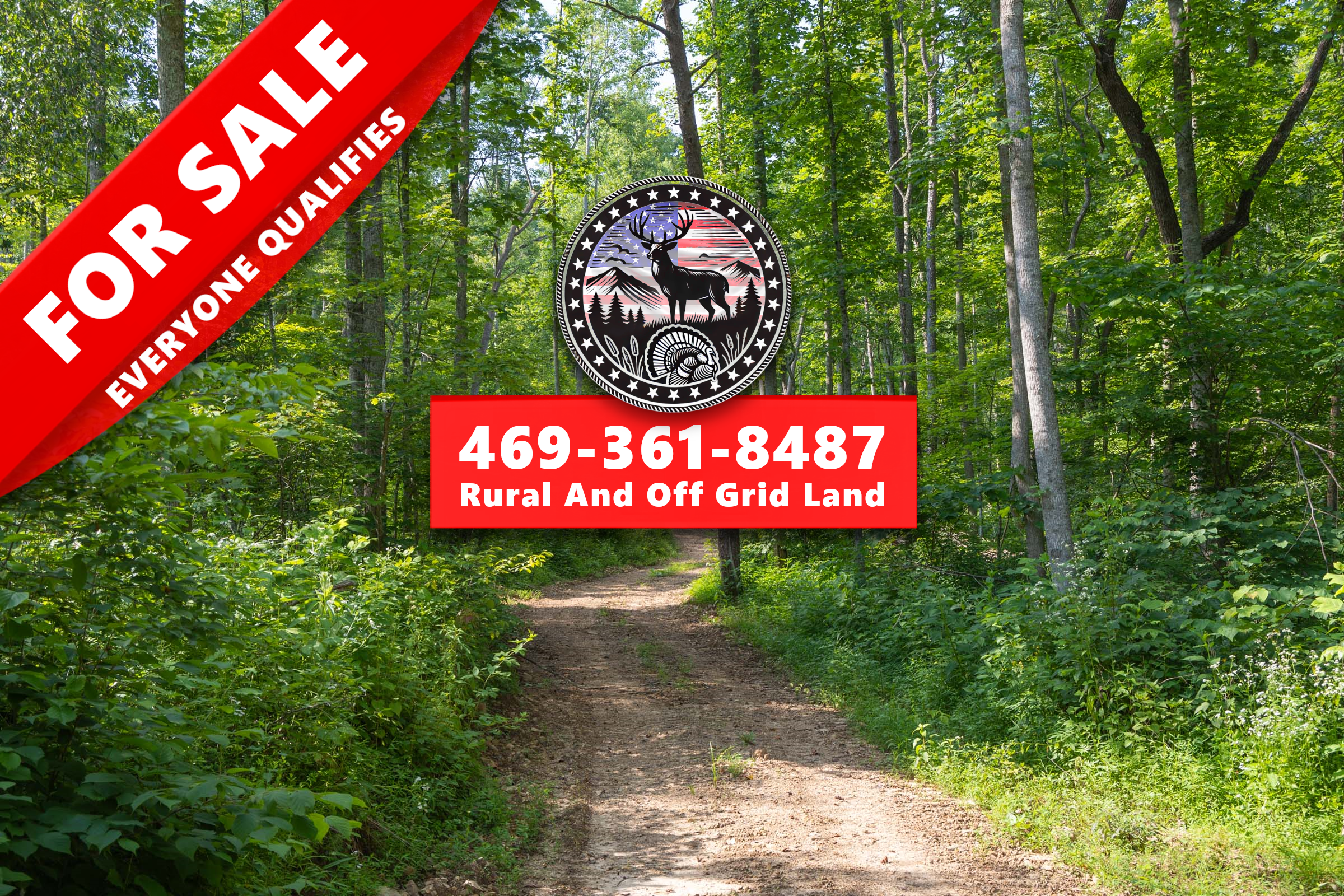
Fishing access is another big draw. A property that borders a creek or has a pond adds value for recreation and can even help with irrigation. I once bought a small parcel that had a seasonal stream running through it. That stream made all the difference for camping trips with my kids. We would set up a tent near the water and spend the weekend exploring the woods.
Building a Legacy with Land
There is something lasting about owning land. It is more than just an investment. It is a place where memories are made and traditions start. When you buy a buildable lot or a cabin site, you are creating a spot that your family can return to for generations. That is the land legacy idea that drives so many people into the rural property market.
One couple I know bought a small piece of raw land with owner financing. They paid it off in seven years, then built a tiny house on it. Now their adult children use it as a camping land getaway. That property went from being a simple financial transaction to a central part of their family story.
The Practical Side of Buying Unimproved Land
Raw land is exactly that: raw. There is no water hookup, no electricity, no septic. You have to bring those things yourself. That can feel overwhelming, but it also gives you total control. You decide where the well goes, whether you want solar panels or a generator, and how much of the land you want to clear.
Before you buy, check the zoning and any restrictions. Some counties require a minimum lot size for a dwelling. Others have rules about how close you can build to a creek. A good seller will tell you about these things upfront, but it never hurts to verify. If you are working with a company like Land and Creek, they usually have that information ready because they deal with these questions every day.
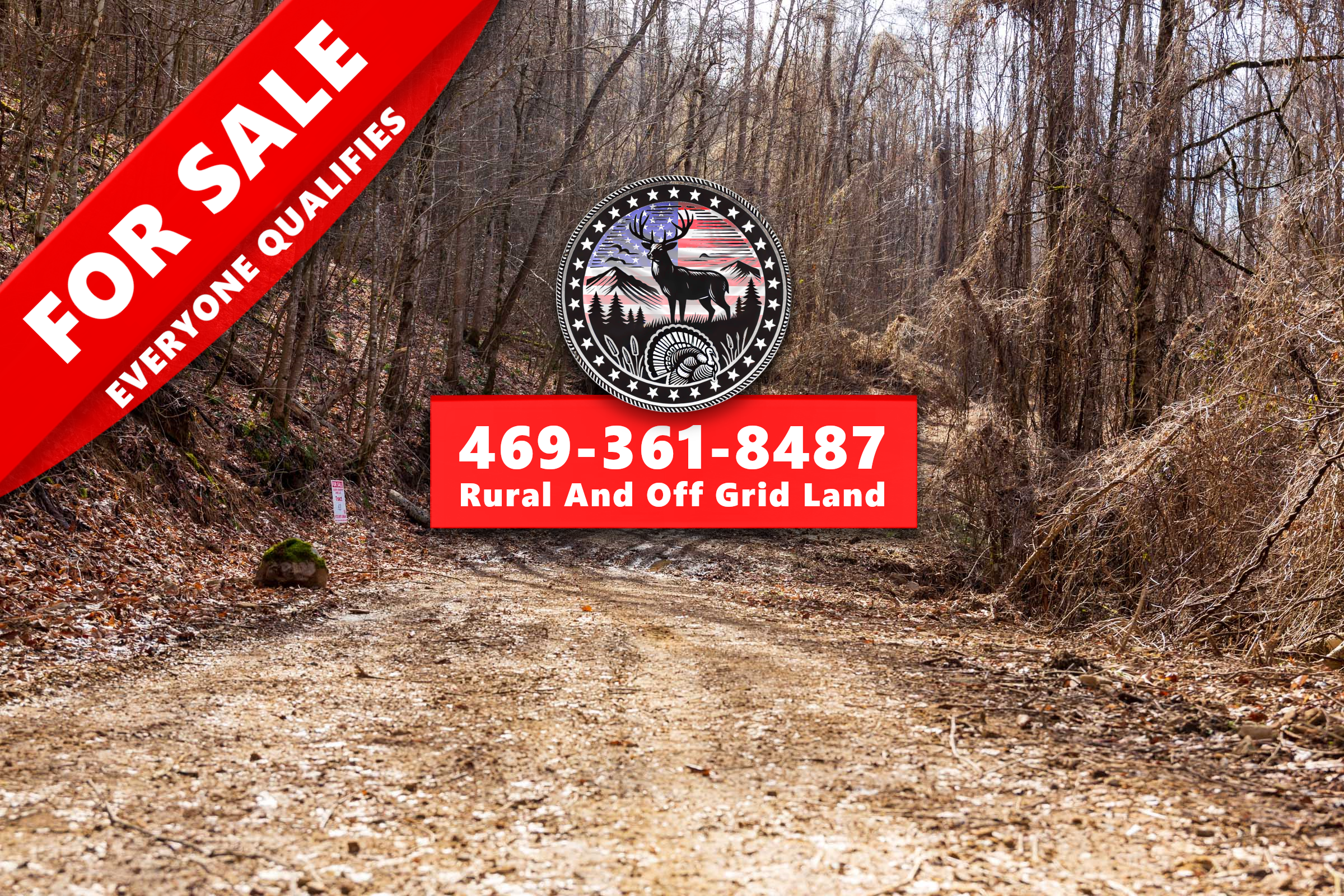
Also think about access. Does the property have a road frontage or an easement? If you have to cross someone else's land, make sure the legal right is recorded. I have seen deals fall apart because the buyer assumed they could drive across a neighbor's field, only to find out later they had no legal access.
Recreation and Resale Value
Many people start by buying affordable rural land just for recreation. They use it for camping, hiking, and getting away from the noise of the city. Over time, they often decide to build something on it. That progression from recreational land to a permanent home is common, and it is one reason why rural property holds its value.
Even if you never build, owning land gives you a place to hunt, fish, and relax. It is a retreat that no one can take away from you. And if you ever need to sell, having a piece of land with good access and nearby amenities makes it easier to find a buyer.
Keeping Costs Low
The phrase affordable rural land means different things to different people. For some, it means a price under ten thousand dollars. For others, it means a payment they can handle without stress. The key is to match the land to your budget and your goals.
Owner financing often allows a low down payment, sometimes as low as ten percent or even less. That keeps your cash free for other things like surveying, clearing, or buying a camper to put on the land. I have also seen sellers who are flexible on the interest rate, especially if you put down a larger initial payment. It never hurts to ask.
Another way to keep costs down is to buy unimproved land that does not have expensive improvements already on it. A lot with a run-down cabin might sound like a deal, but you could end up spending more on repairs than you would on building new. Raw land lets you start from scratch and only pay for what you actually need.
Practical Advice for First-Time Buyers
- Start with your budget. Know what you can afford for a down payment and monthly payments before you start looking.
- Visit the property if you can. Photos can hide a lot. Walk the land, check the boundaries, and look for any issues like erosion or trash dumping.
- Ask about utilities. Even if you plan to go off-grid, knowing how far you are from power lines and public roads helps with planning.
- Read the contract carefully. A land contract or installment sale has different rules than a regular mortgage. Make sure you understand what happens if you miss a payment.
- Think about the future. If you might want to build later, check the building codes and septic requirements now.
Final Thoughts on Buying Your Own Piece of Country
I have walked through dozens of properties over the years, some with creeks running through them, others with nothing but rocks and brush. Every one of them had potential. The best deals are the ones where the seller is motivated and the buyer is realistic. If you find affordable rural land that fits your needs, do not wait too long. Good parcels go fast, especially when owner financing is available.
Land is a patient investment. It does not spoil or go out of style. Whether you want a hunting camp, a tiny house lot, or just a quiet place to park a camper on weekends, owning your own rural property is one of the most satisfying things you can do. And with options like no credit check and low down payment, it is more accessible than most people realize.